

What to pack for Northern Argentina: altitude, altitude sickness and weather by season

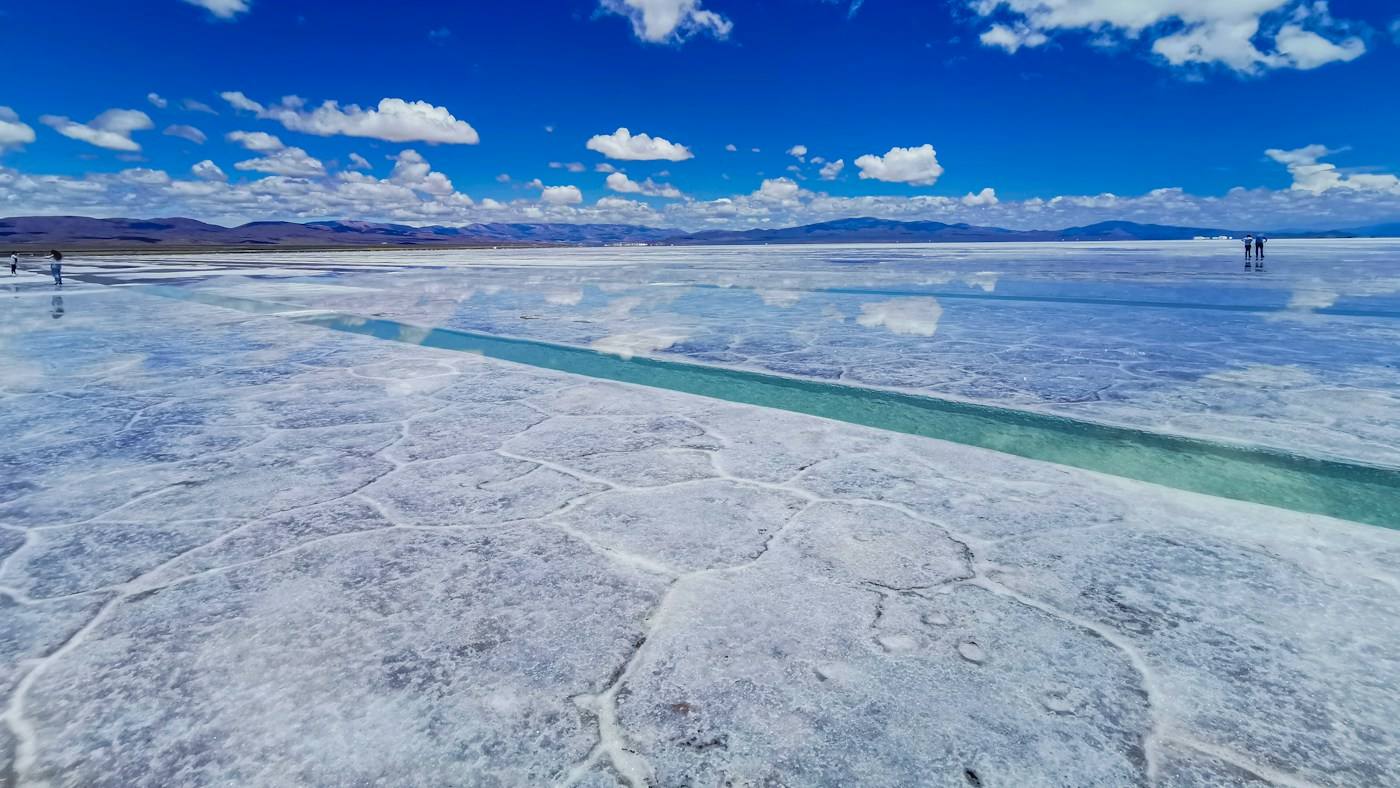
Packing for Northern Argentina takes some thought: in a single day you can go from an intensely sunny midday to a below-freezing night, and from the city of Salta, at about 1,200 meters, to the Salinas Grandes, above 3,400. Bringing just the right things makes a big difference to how much you’ll enjoy the trip.
If you’re still deciding how to travel, at Planet Travel we have Northern Argentina packages from Uruguay, including group departures by bus with a guide from Uruguay. Here’s a practical guide to clothing, accessories, the weather in each season and how to prevent altitude sickness.
Why the north calls for a different suitcase
Three factors set it apart from other destinations:
- Altitude: the Quebrada de Humahuaca lies between 2,000 and 3,000 meters, and the Puna is over 3,400. The Cuesta de Lipán, on the way to the Salinas, reaches about 4,170 meters.
- Temperature swings: the climate is dry, and the temperature can change dramatically between day and night.
- The sun: at altitude the radiation is much stronger, and on the salt flat you also get the glare off the white surface.
Clothing: the layering rule
Rather than bringing lots of clothes, what matters is being able to take layers off and put them back on throughout the day.
The basics
- Base layer: long-sleeve T-shirts or lightweight thermal tops.
- Mid layer: a sweatshirt or fleece jacket.
- Outer layer: a windbreaker, and in winter a proper warm coat.
- Comfortable pants for walking and climbing stairs or trails.
- Wool hat, gloves and scarf for the nights and for the Puna, even outside winter.
Footwear
Hiking shoes or closed shoes with a good sole. Many villages have cobblestone or dirt streets, and places like the Pucará de Tilcara or the Paseo de los Colorados are explored on foot. If they’re new, wear them before the trip so they don’t hurt you in the middle of an excursion. A spare pair of thick socks also helps, especially for the cold nights.
Accessories you can’t do without
- High-SPF sunscreen, even if the day is cloudy.
- UV-filter sunglasses: essential at the Salinas Grandes.
- A hat or cap with a visor.
- Lip balm and moisturizer: the dry air quickly dries out your skin and lips.
- A reusable bottle so you always have water at hand.
- A small backpack for excursions, with room for the layers you take off.
- Cash: at markets and in small villages cards aren’t always accepted.
- Your usual medications, in enough quantity for the whole trip.
What to pack by season
Winter (June to August)
It’s the dry season, with sunny days and clear skies, but the nights are very cold, especially in the Quebrada and the Puna, where temperatures drop below zero. Bring a warm coat, thermal clothing, a hat and gloves. At midday you’ll still need sunscreen.
Spring and autumn (September to November, April and May)
For many, the best time: mild days and little rain. The nights are still cool, though, so don’t leave the fleece and jacket at home.
Summer (December to March)
It’s the rainy season. Days are hotter and the landscapes greener, but afternoon storms are common and mountain roads may be closed. Add a raincoat or waterproof jacket, footwear that can handle mud and something warm for the evening, because at altitude it still gets chilly.
Altitude sickness: what it is and how to prevent it
Altitude sickness, known locally as apunamiento or soroche, is the body’s reaction when it climbs to an altitude it isn’t used to, where less oxygen is available. It can affect anyone, regardless of age or fitness.
Most common symptoms
- Headache.
- Tiredness and shortness of breath on exertion.
- Nausea or loss of appetite.
- Dizziness and trouble sleeping.
Tips to prevent it
- Climb gradually: spend at least one night in Salta and another in the Quebrada before going to the Salinas or to viewpoints above 4,000 meters.
- Stay well hydrated: drink water throughout the day, even if you’re not thirsty.
- Slow down: walk slowly, especially during your first hours at altitude, and avoid strenuous effort.
- Eat light: small, easy-to-digest meals for the first few days.
- Avoid alcohol during your first days at altitude.
- Get a good night’s rest before the highest excursions.
In the region you’ll see coca tea being offered or people chewing coca leaves: it’s a very widespread local custom, but it doesn’t replace seeing a doctor or the precautions above.
When to see a doctor
If you have a pre-existing condition, such as heart or respiratory problems or high blood pressure, or if you’re pregnant, check with your doctor before traveling. During the trip, if symptoms are intense or don’t improve with rest, the most important thing is to stop climbing, go down to a lower altitude and seek medical attention.
Quick packing checklist
- Layered clothing: thermal, fleece and windbreaker.
- Warm coat (essential in winter).
- Hat, gloves and scarf.
- Comfortable, closed footwear.
- Sunscreen, sunglasses and a hat.
- Lip balm and moisturizer.
- Reusable water bottle.
- Raincoat or waterproof jacket if you travel in summer.
- Usual medications and cash.
With your suitcase sorted, all that’s left is choosing how to travel. You can see our Argentina packages and find the option that best fits your dates.
Frequently asked questions
Is it cold in Northern Argentina in summer?
It can be hot during the day, but at altitude the nights are cool all year round. It’s always a good idea to bring something warm and a waterproof layer.
At what altitude does altitude sickness start?
It depends on the person. Some notice it in the Quebrada, above 2,000 meters, and it’s more common above 3,000, as at the Salinas Grandes.
Can older people or children travel to the north?
Generally yes, climbing gradually and at a relaxed pace. If there are pre-existing health conditions, it’s advisable to see a doctor before the trip.

